2020
Casa Martinez
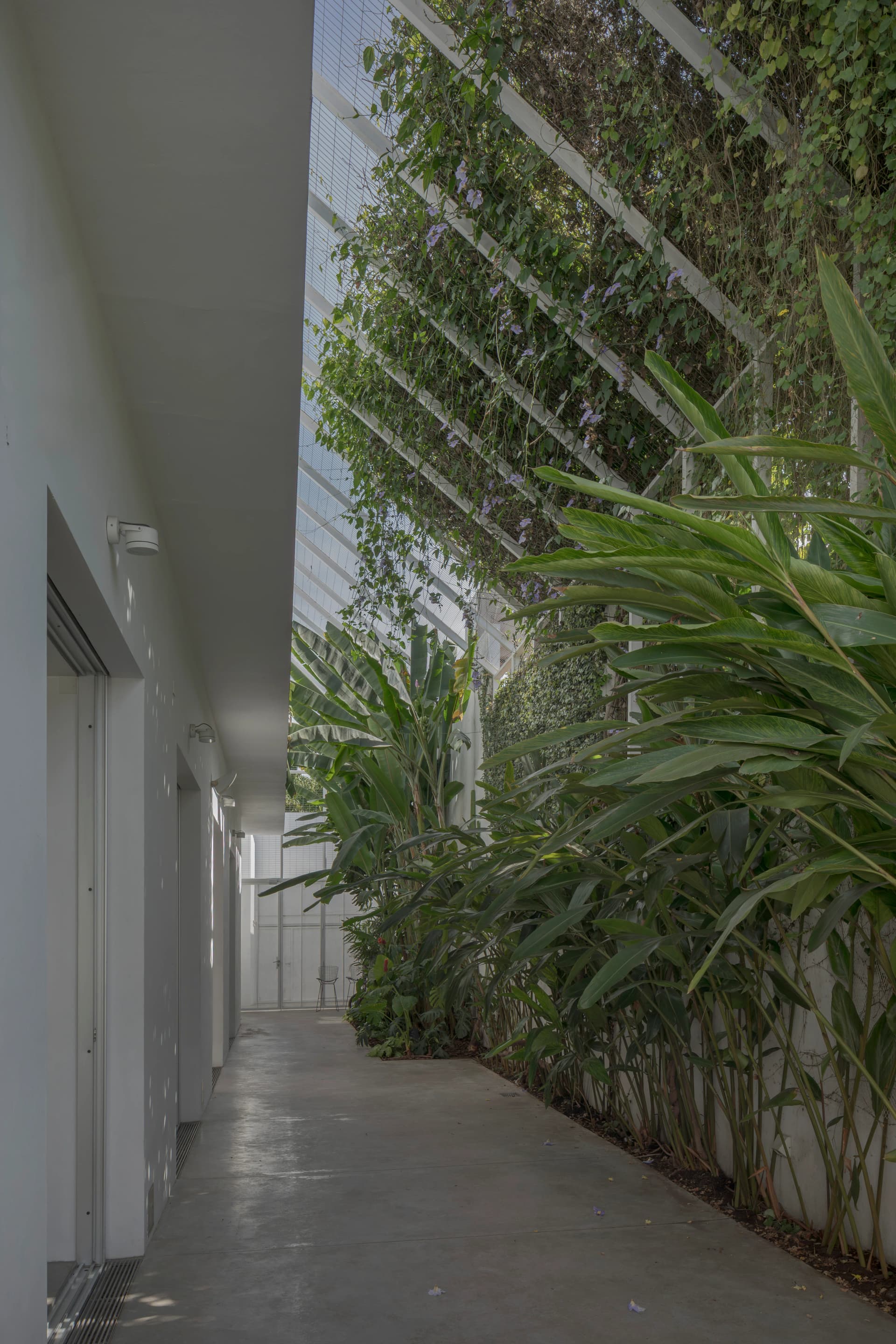
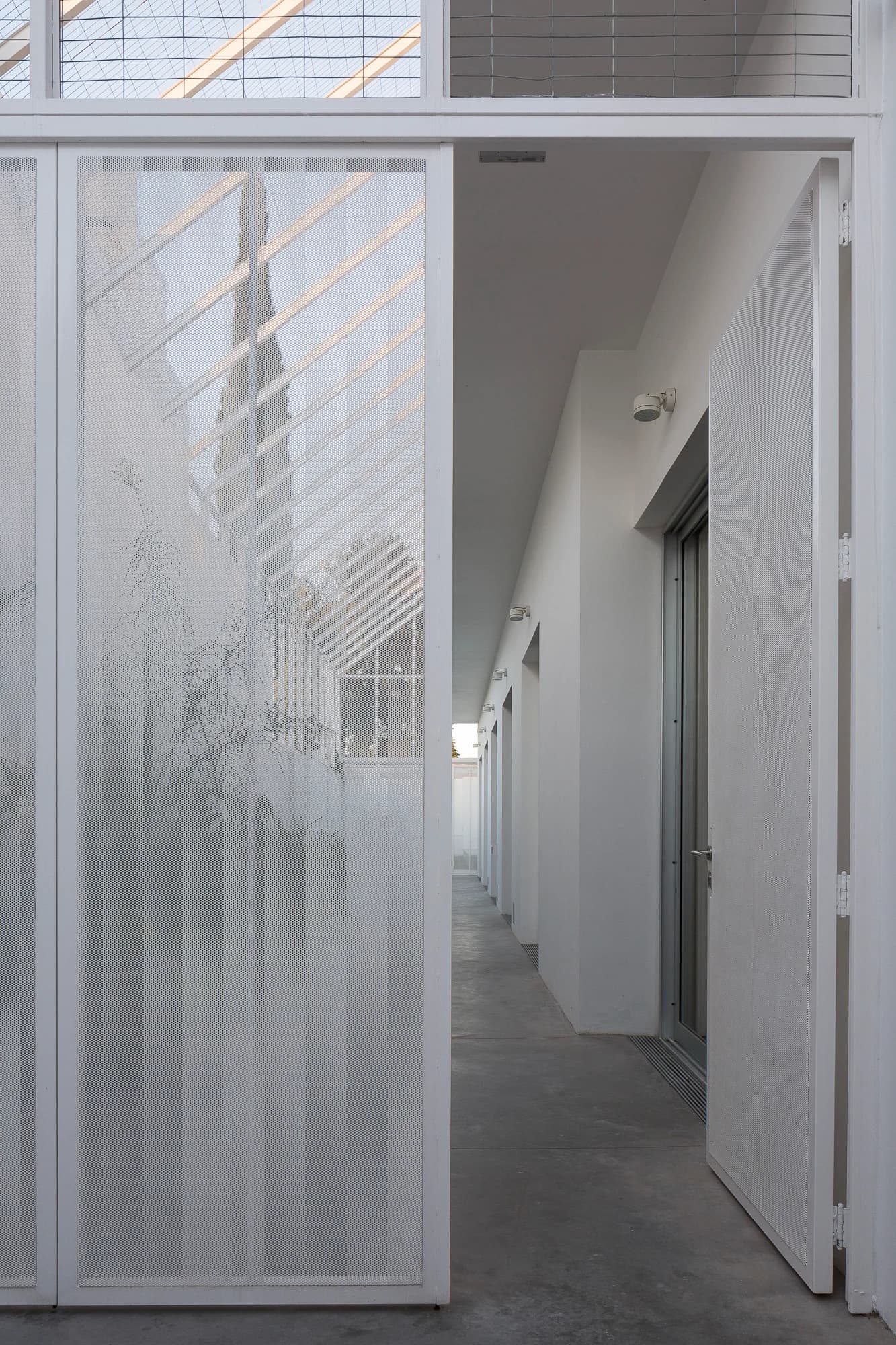
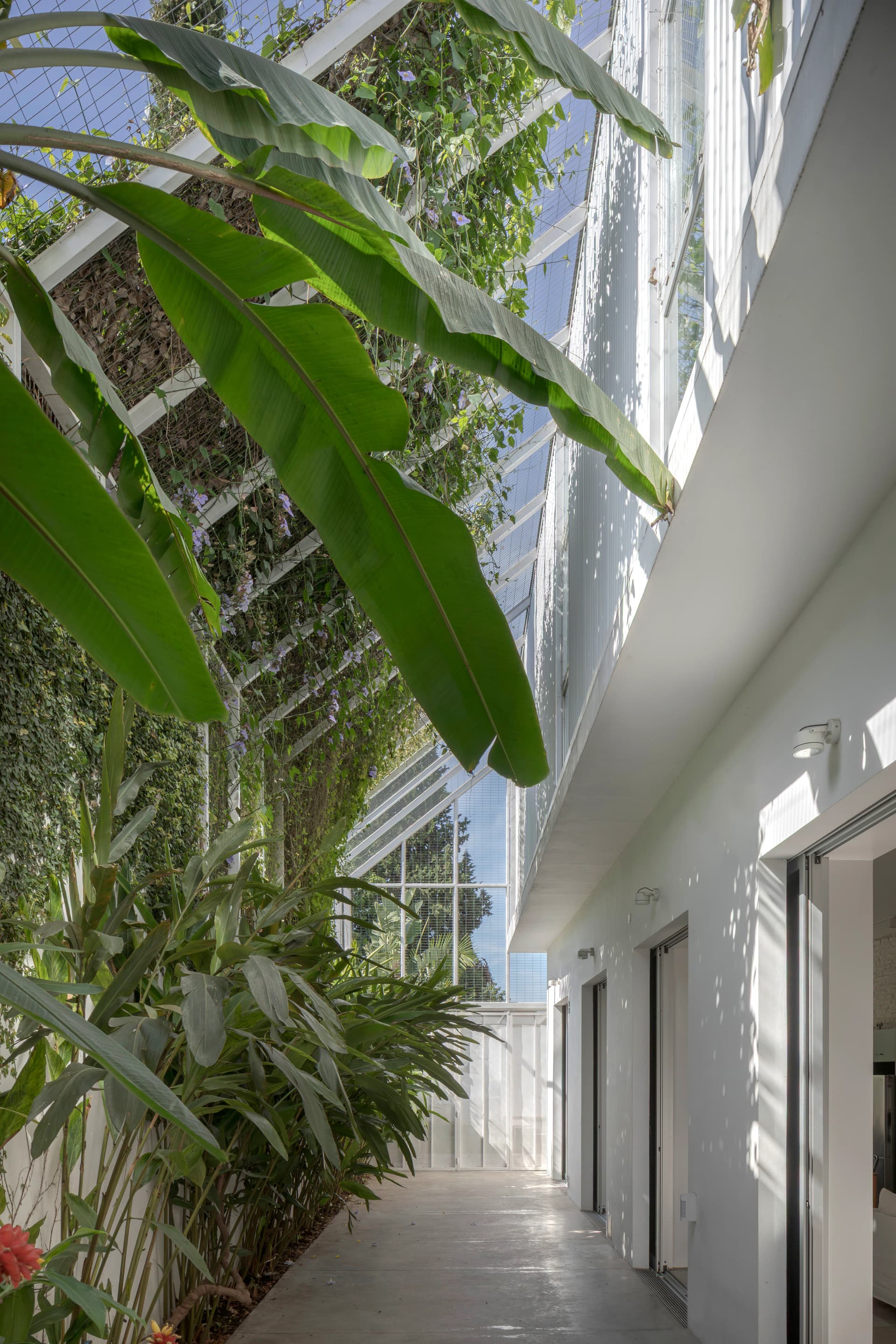
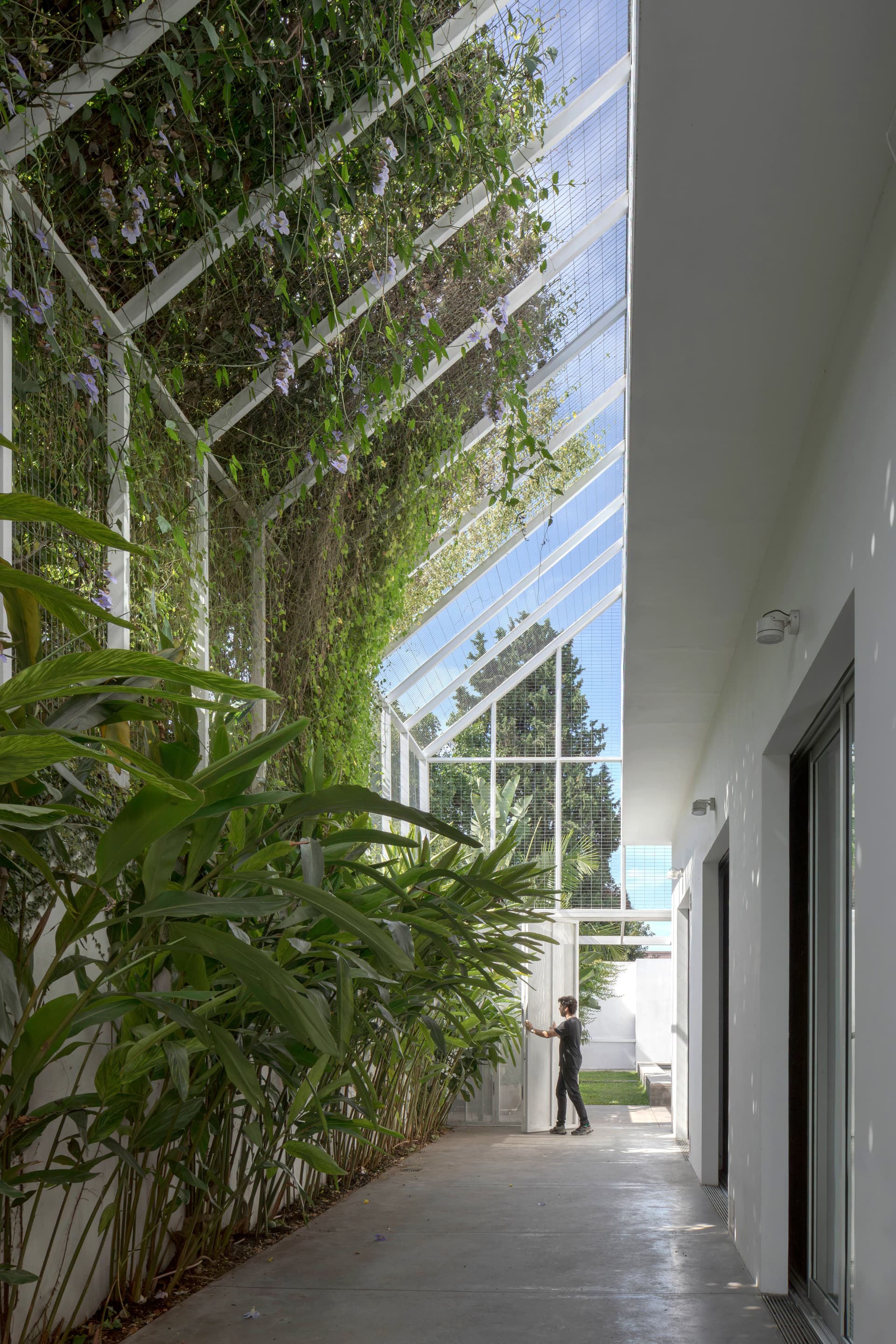
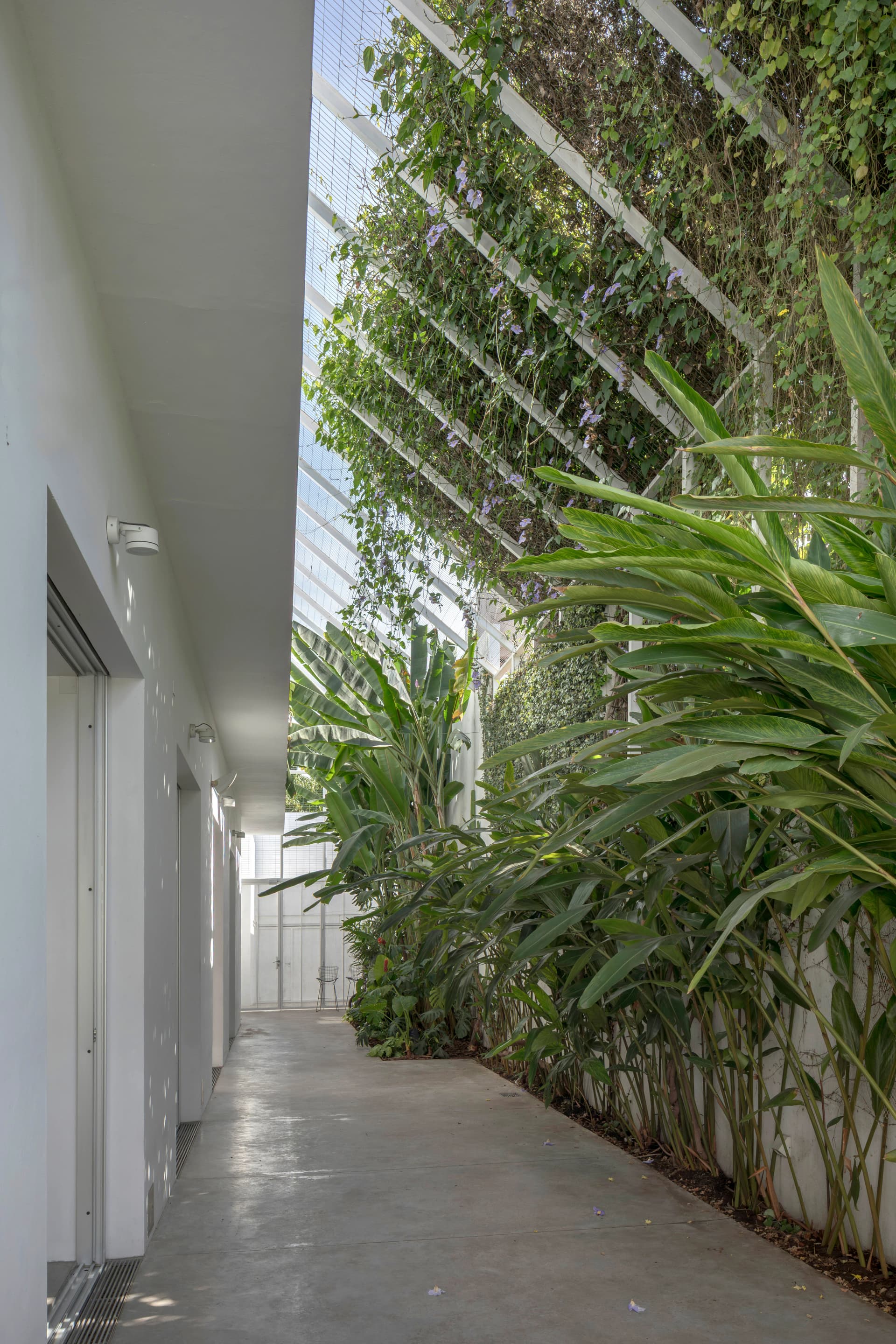
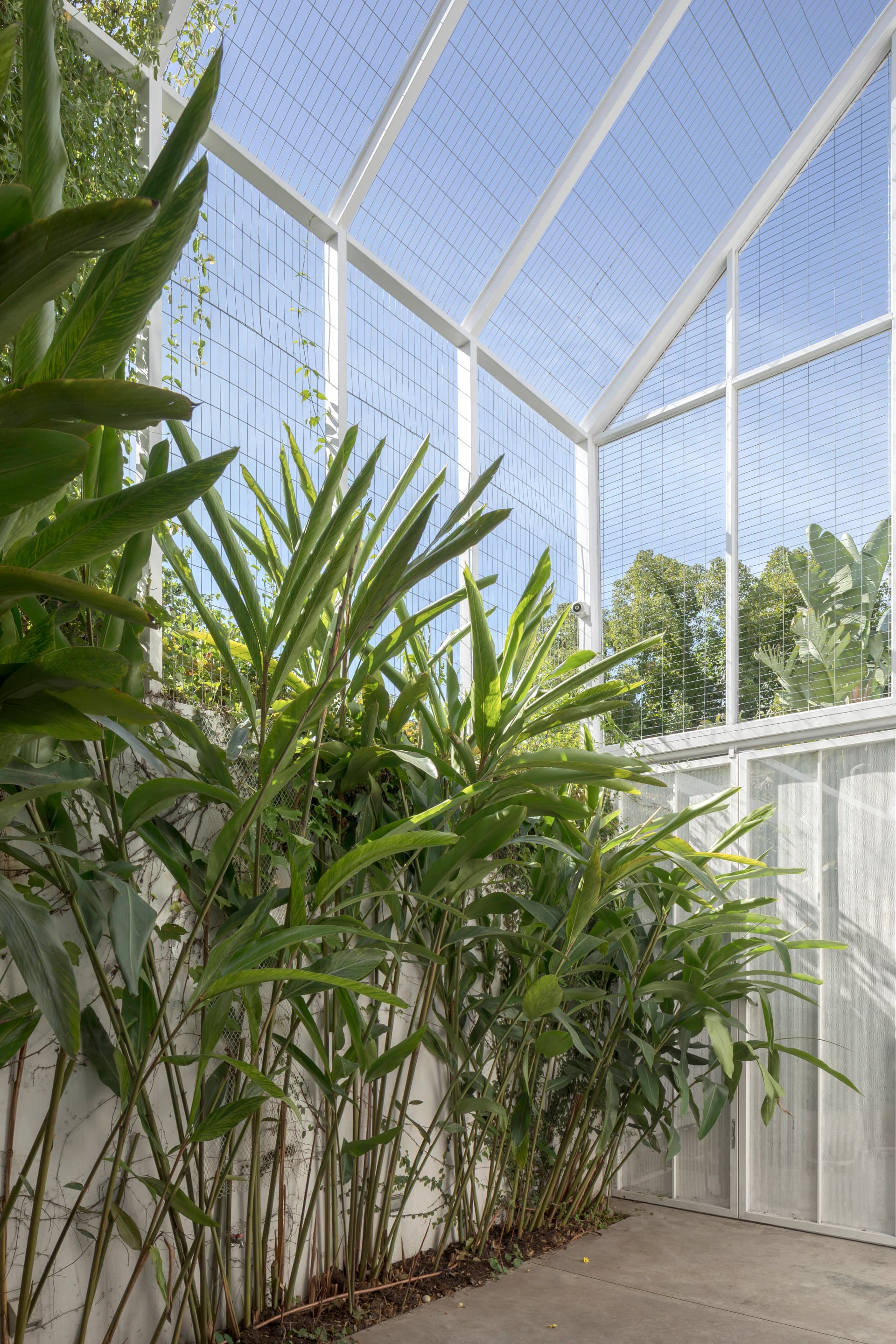
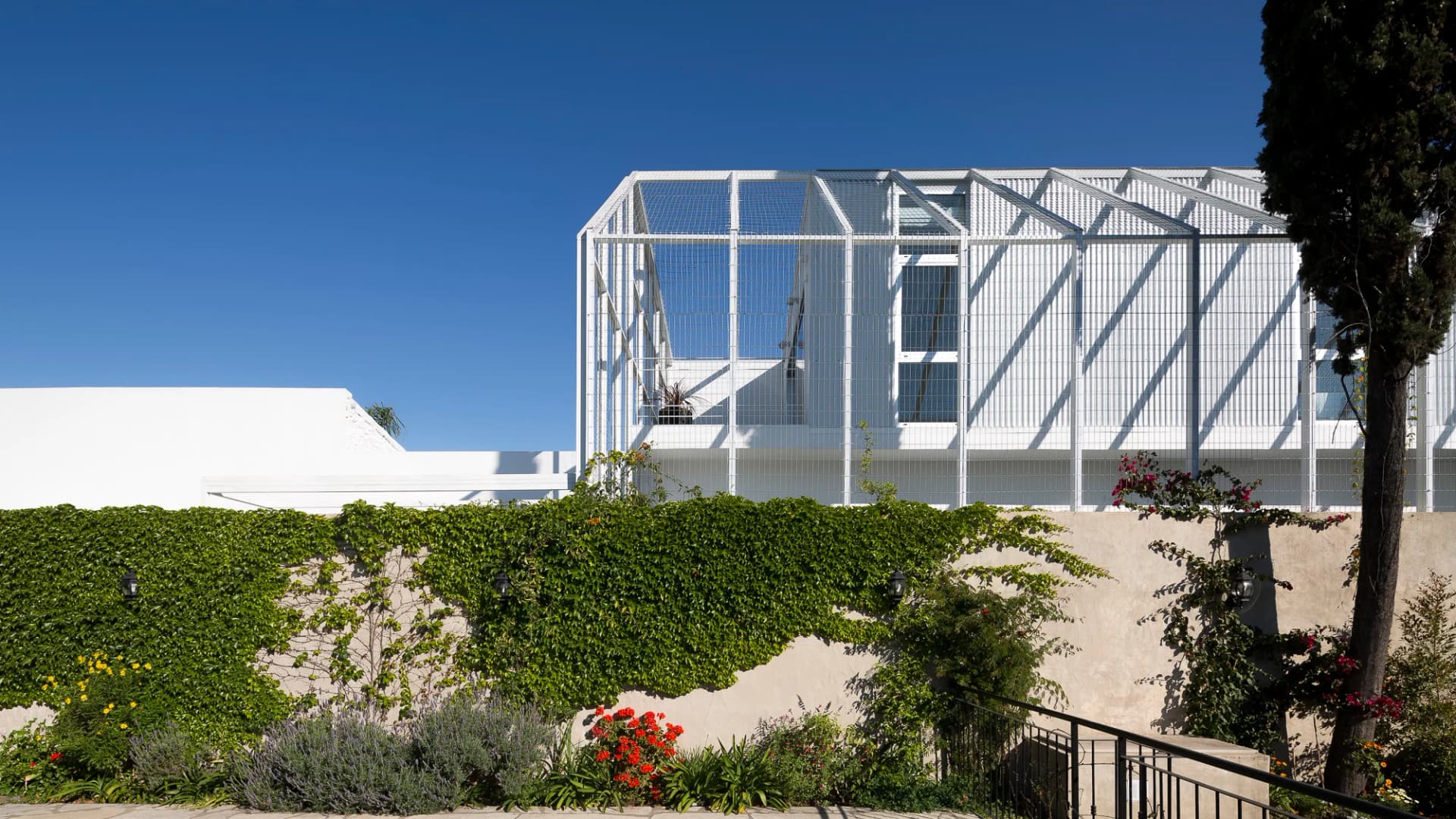
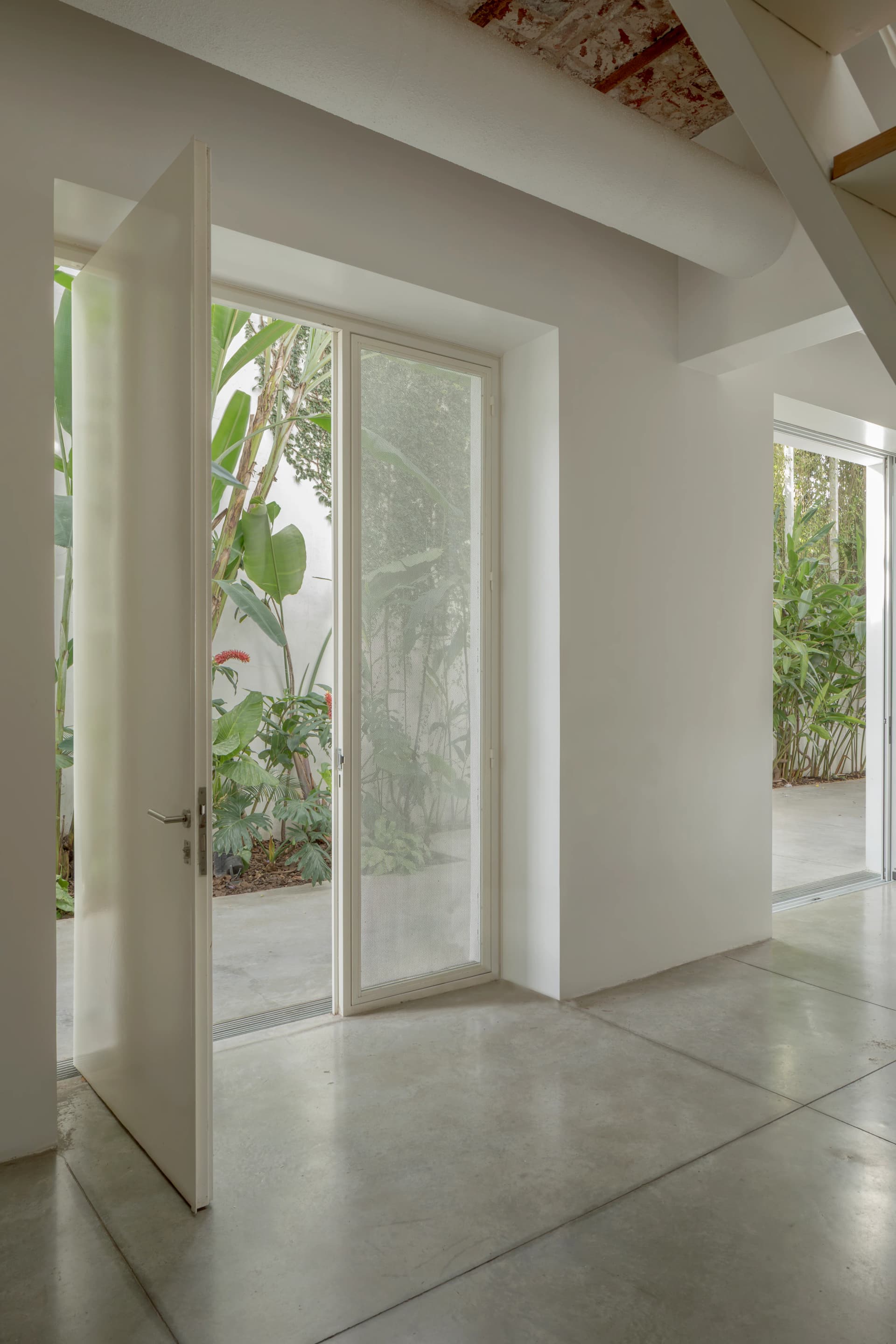
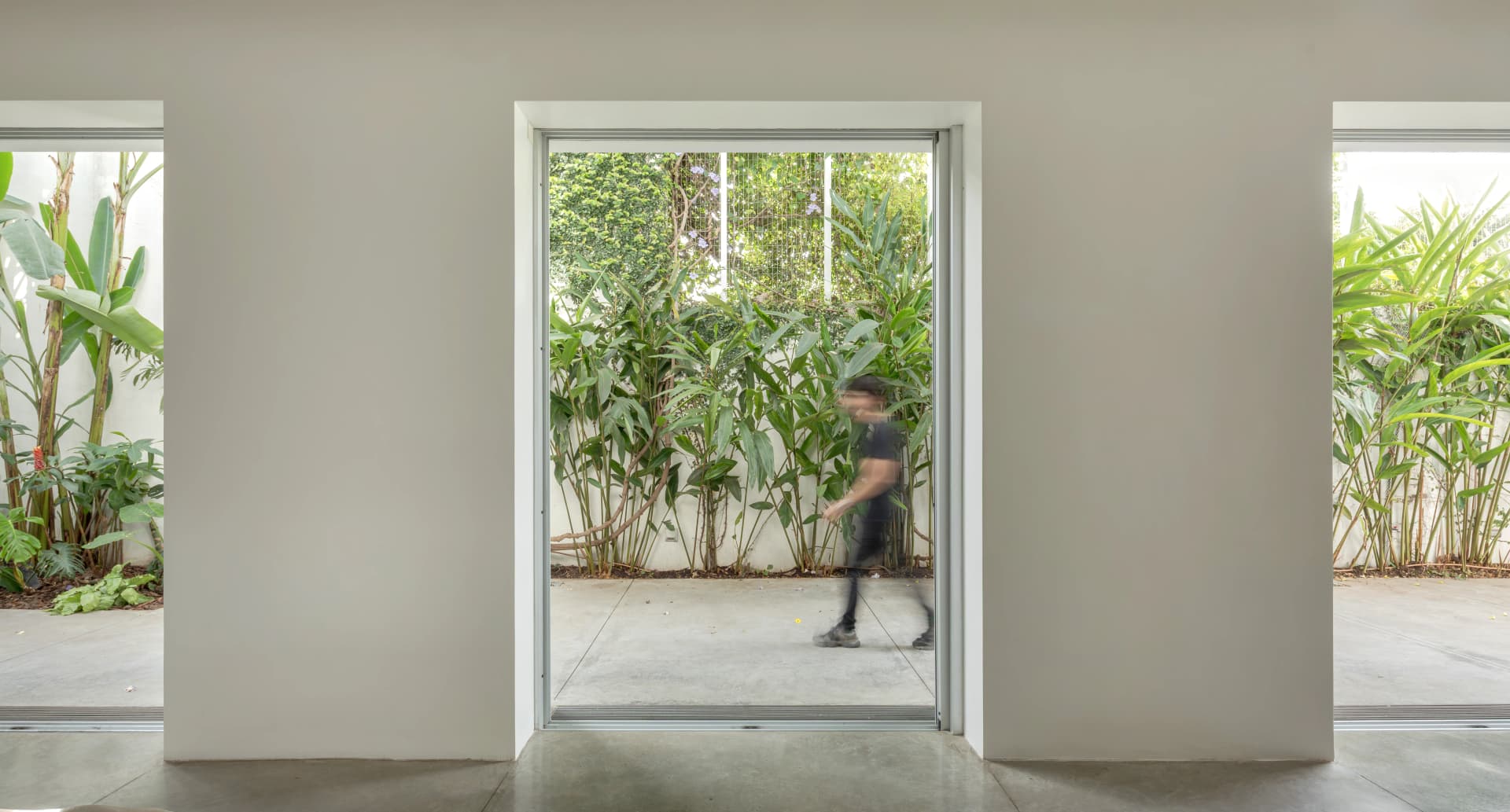
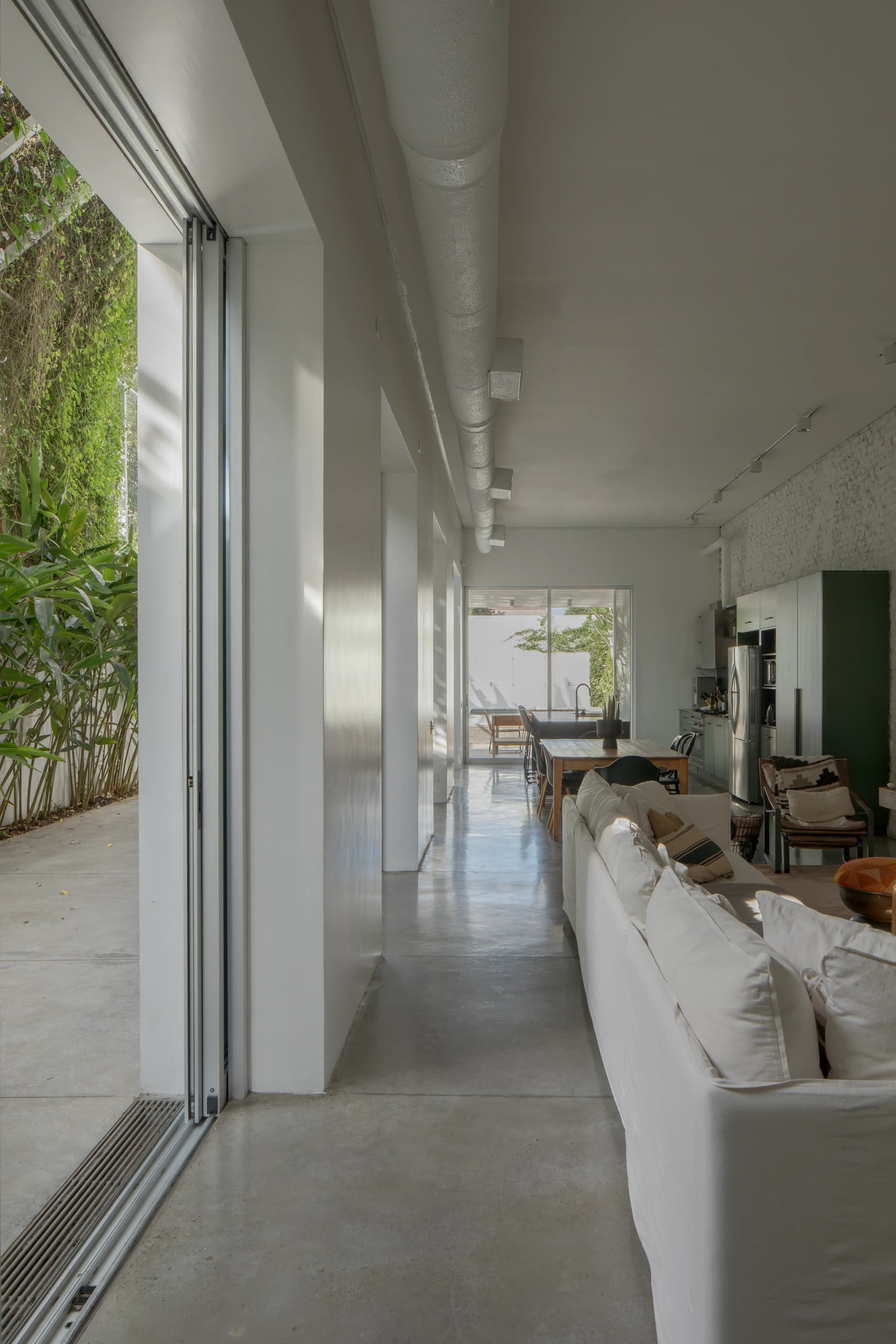
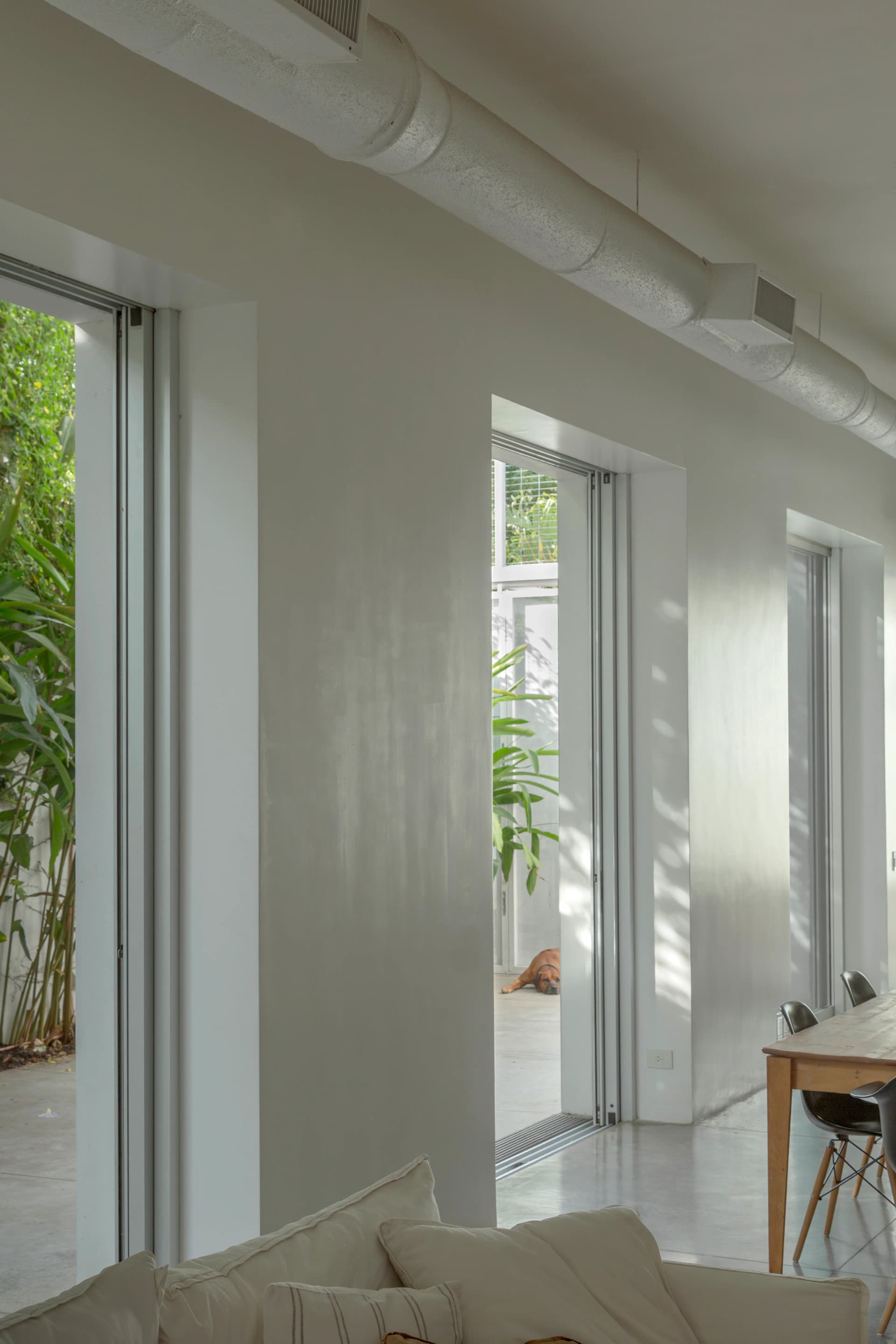
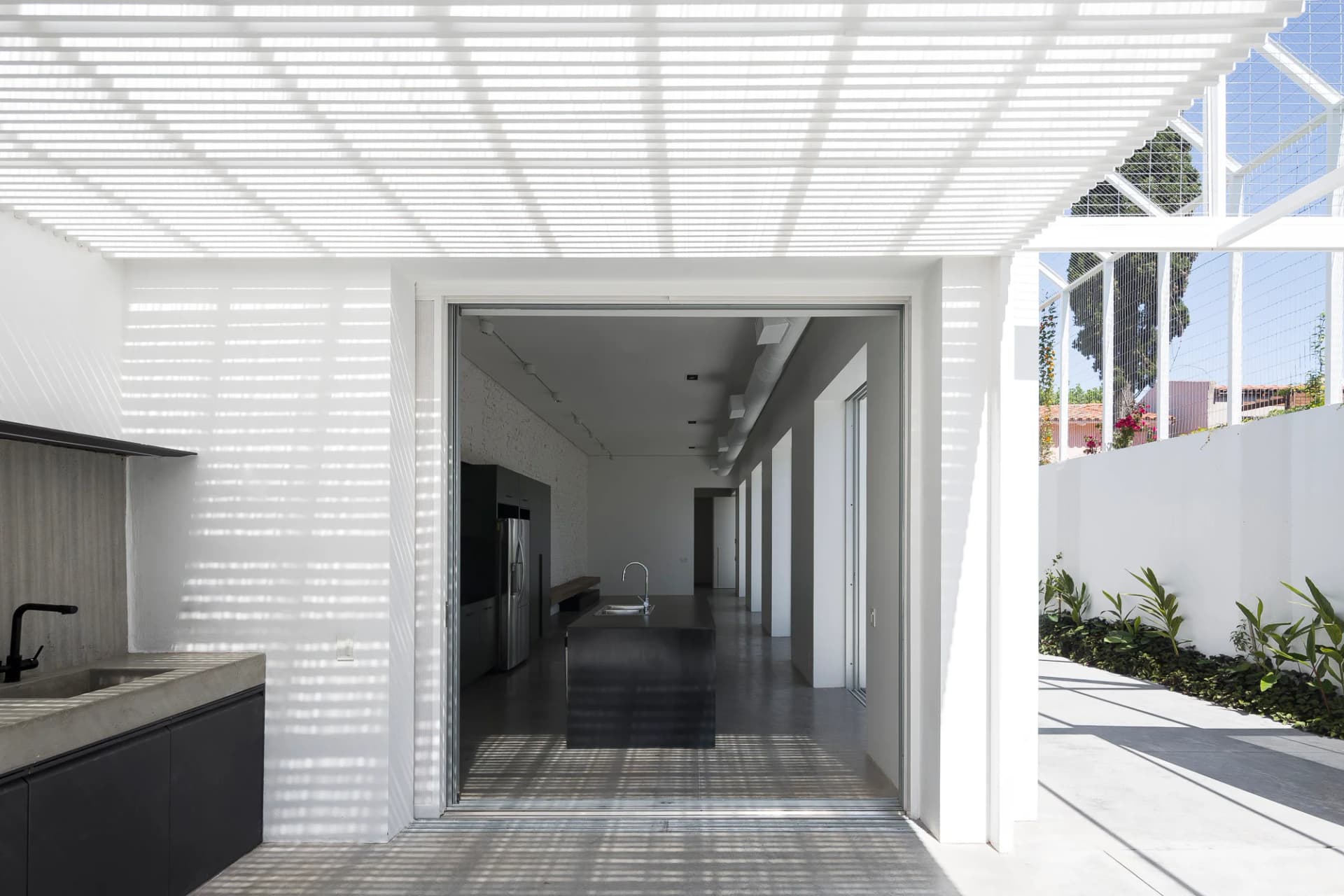
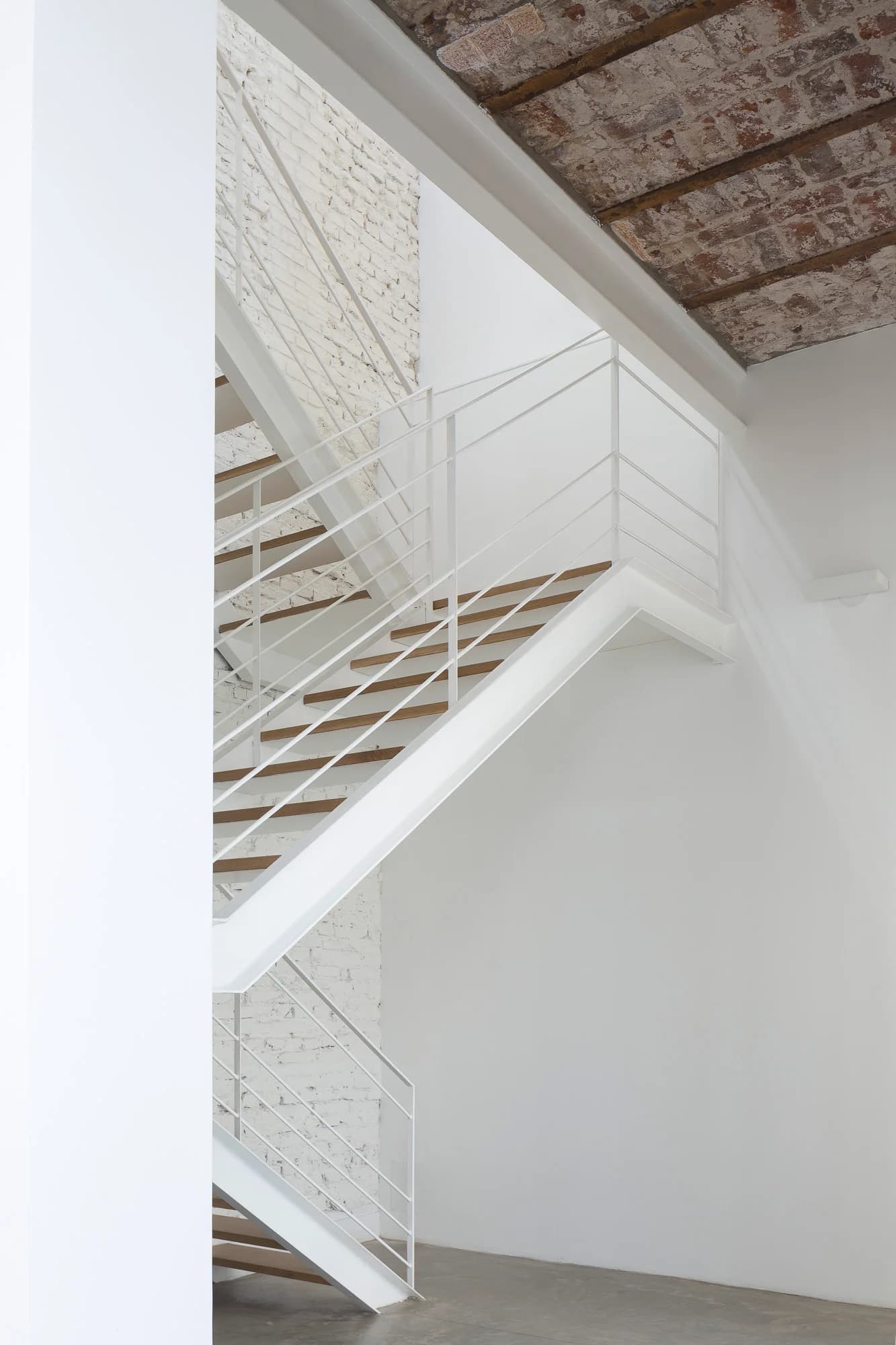
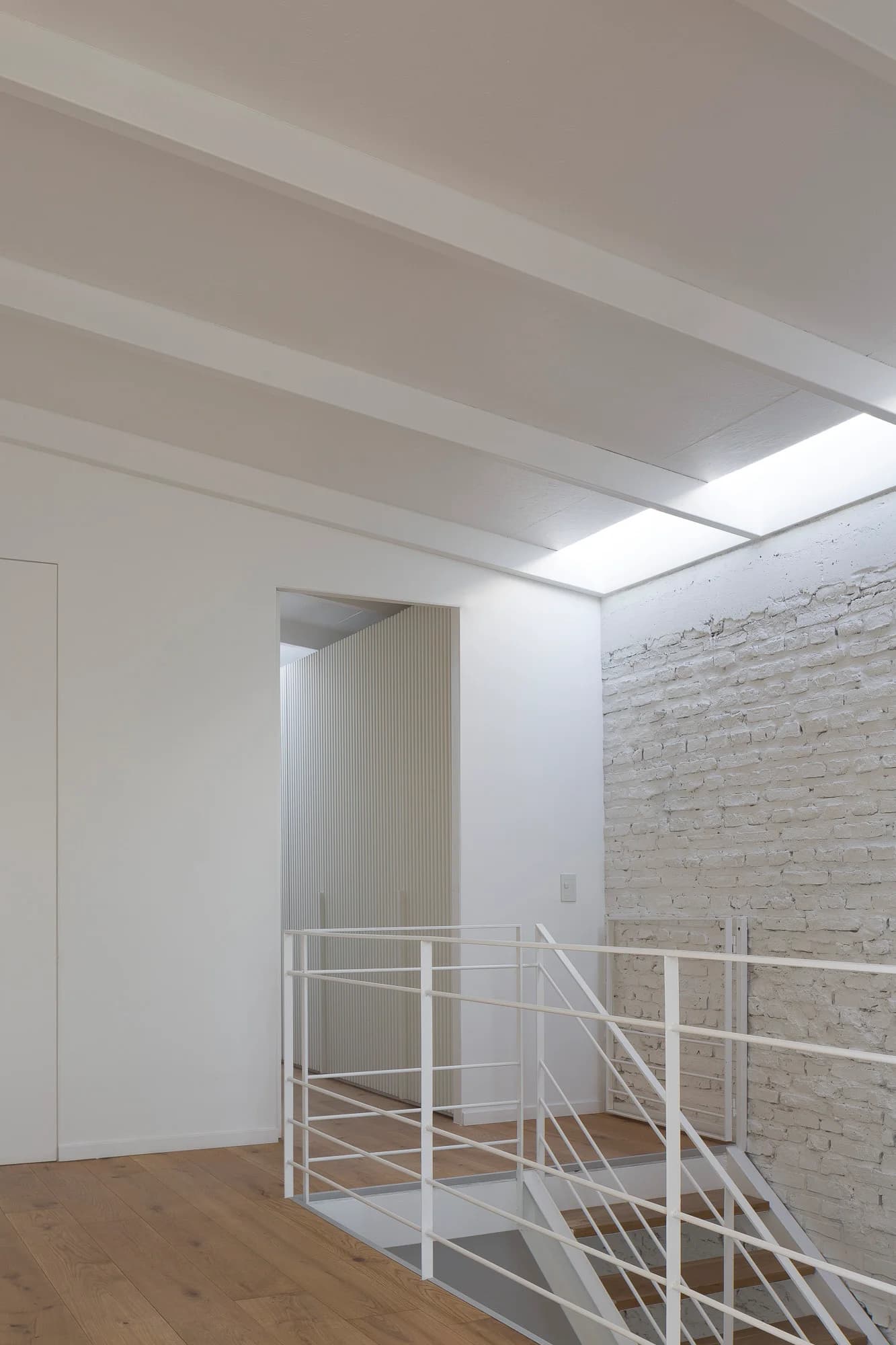
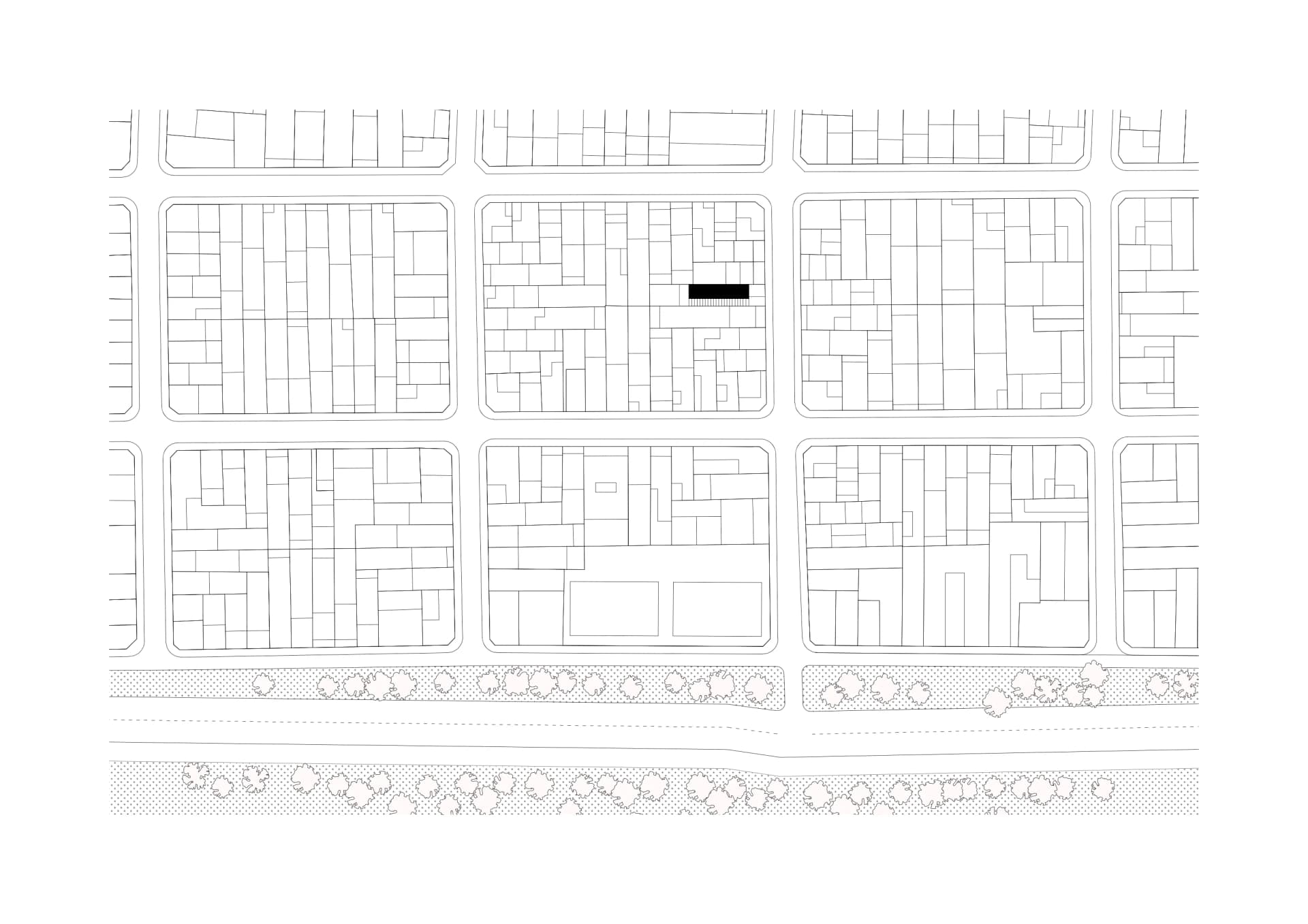
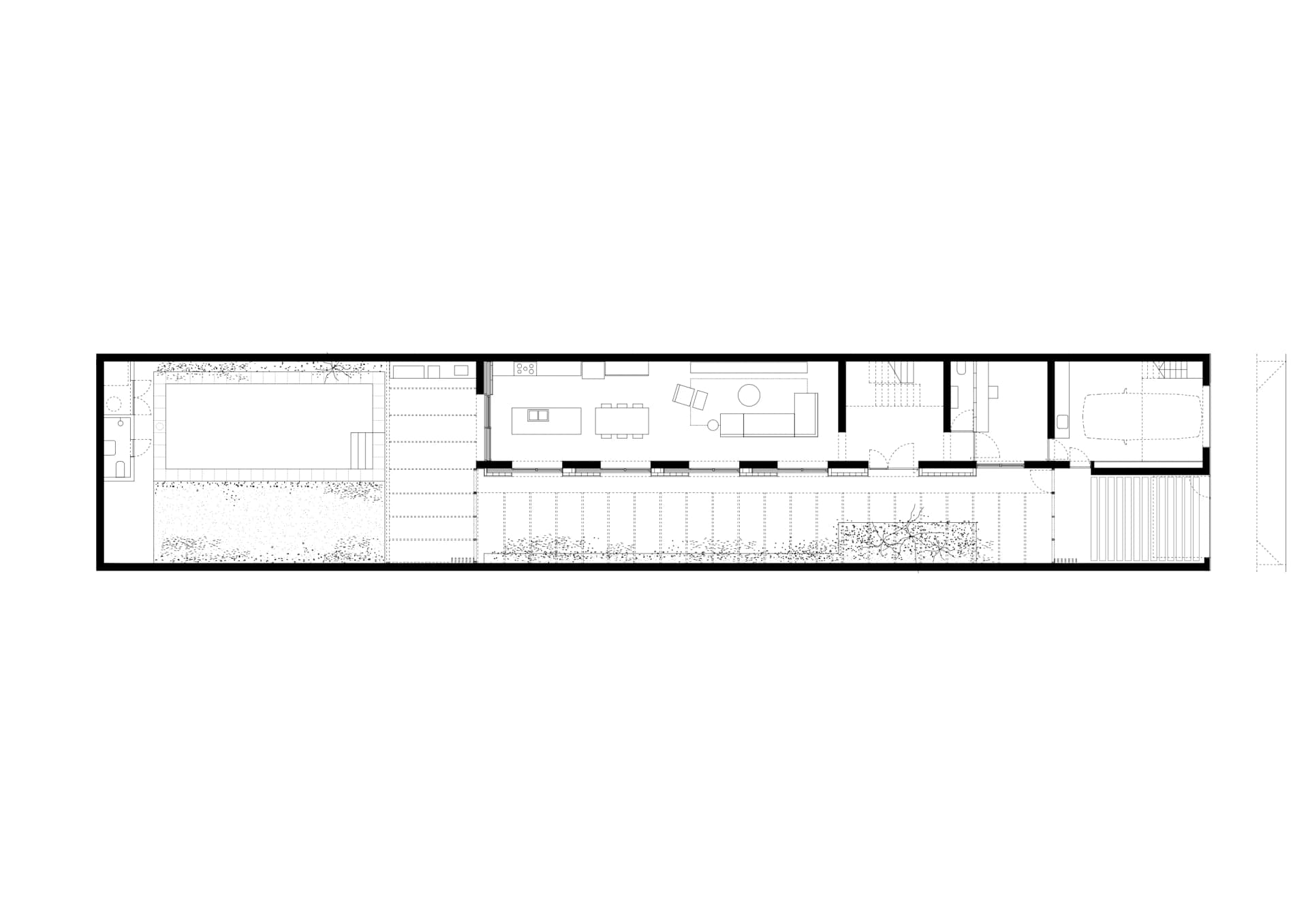
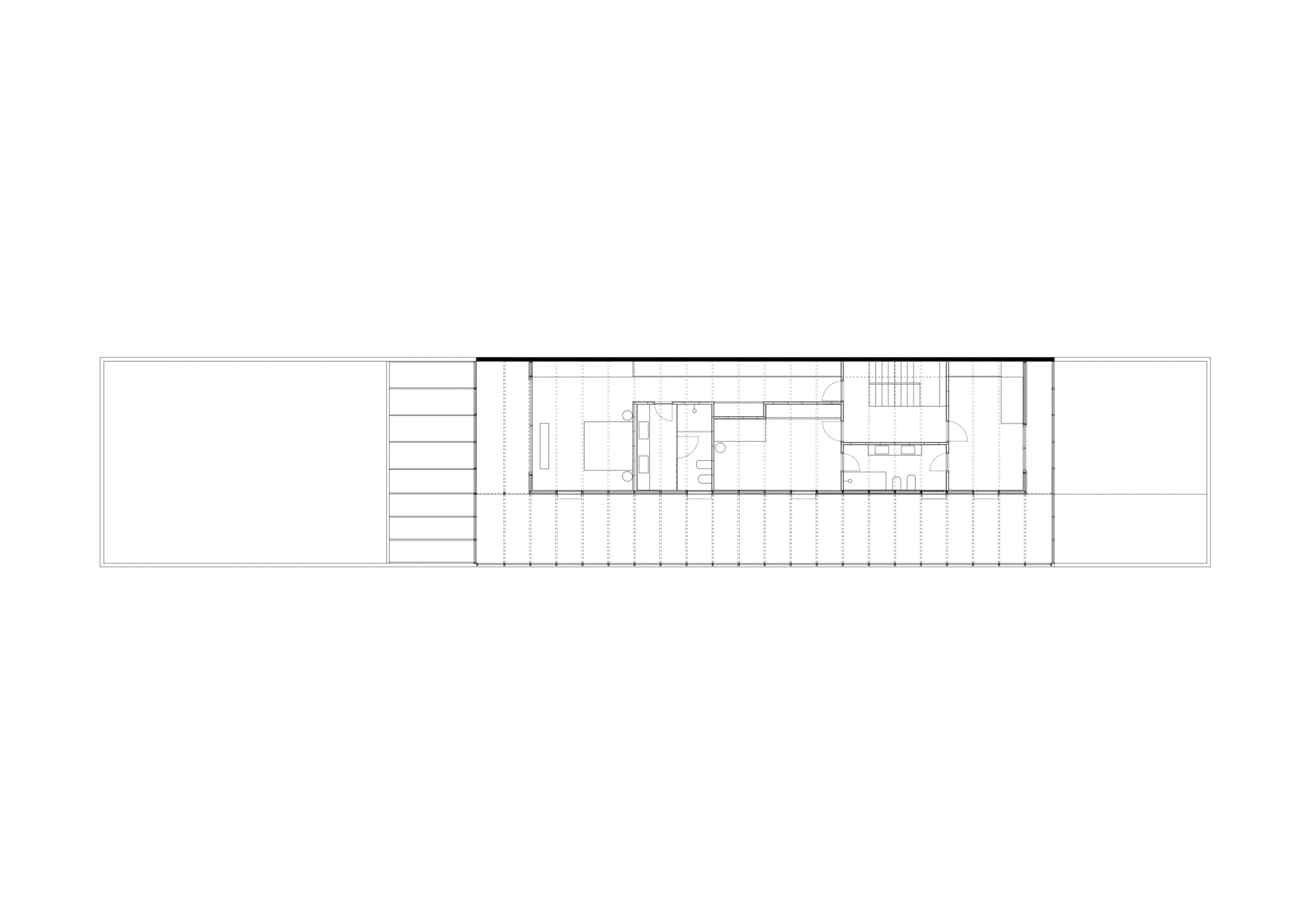
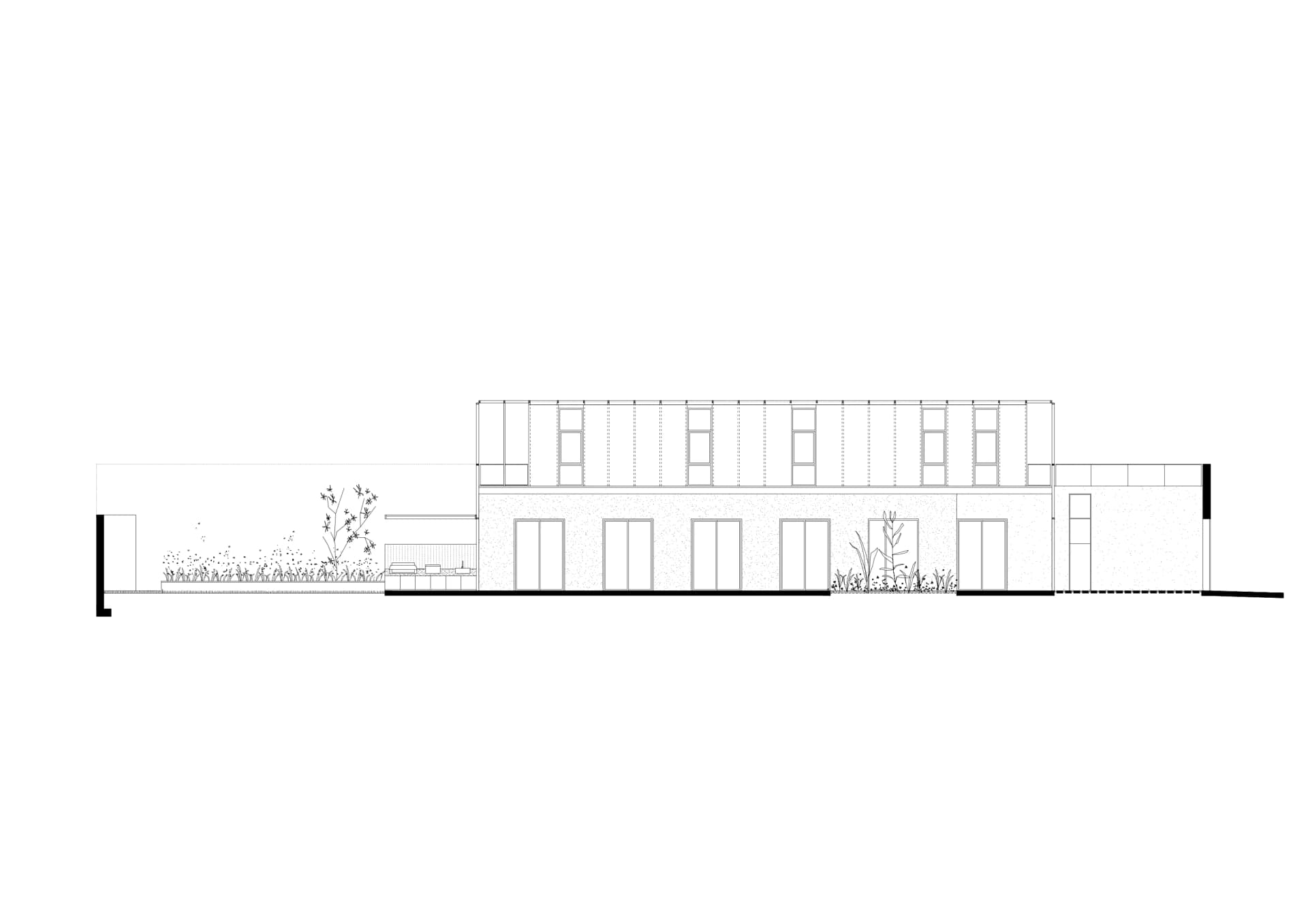
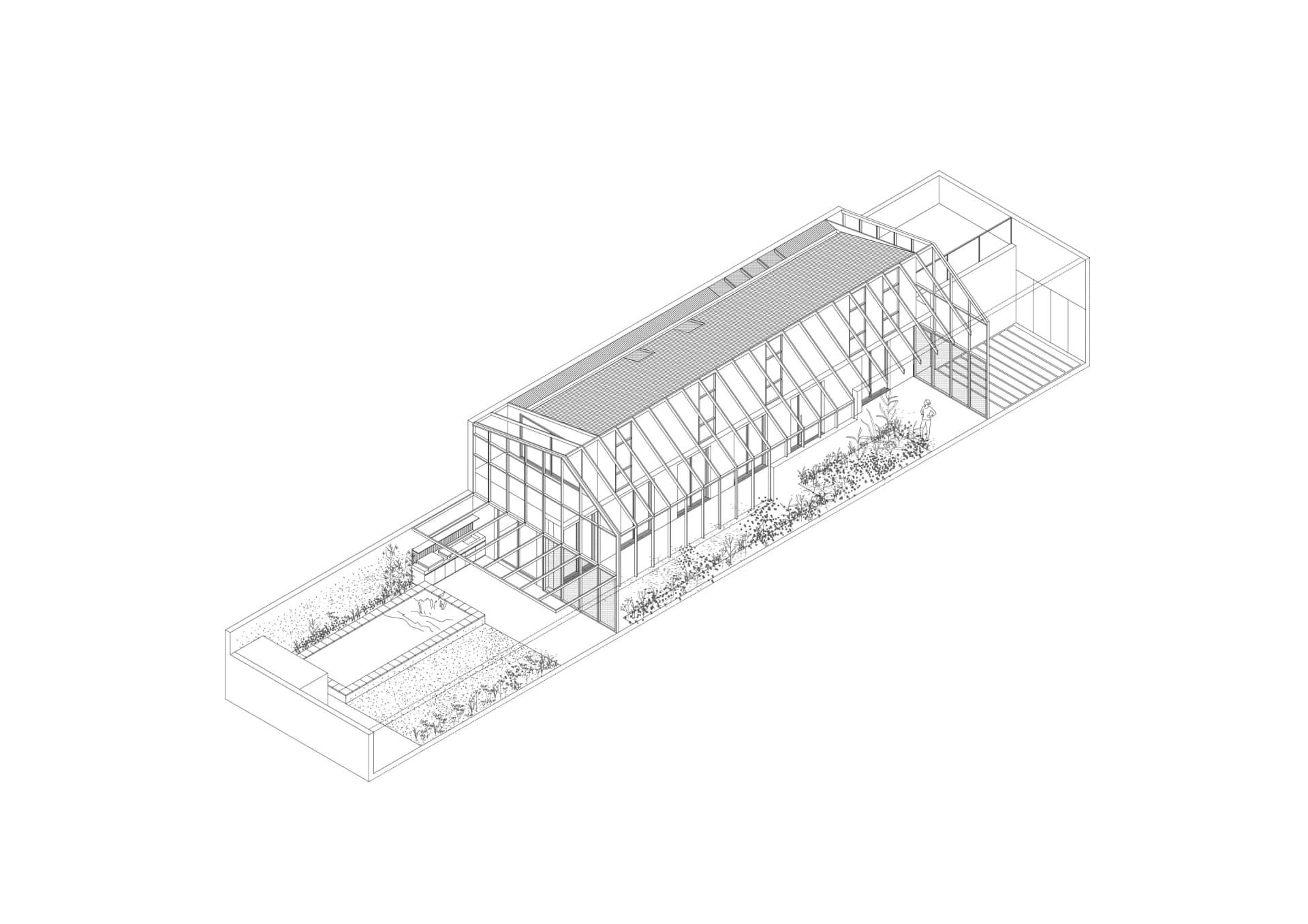
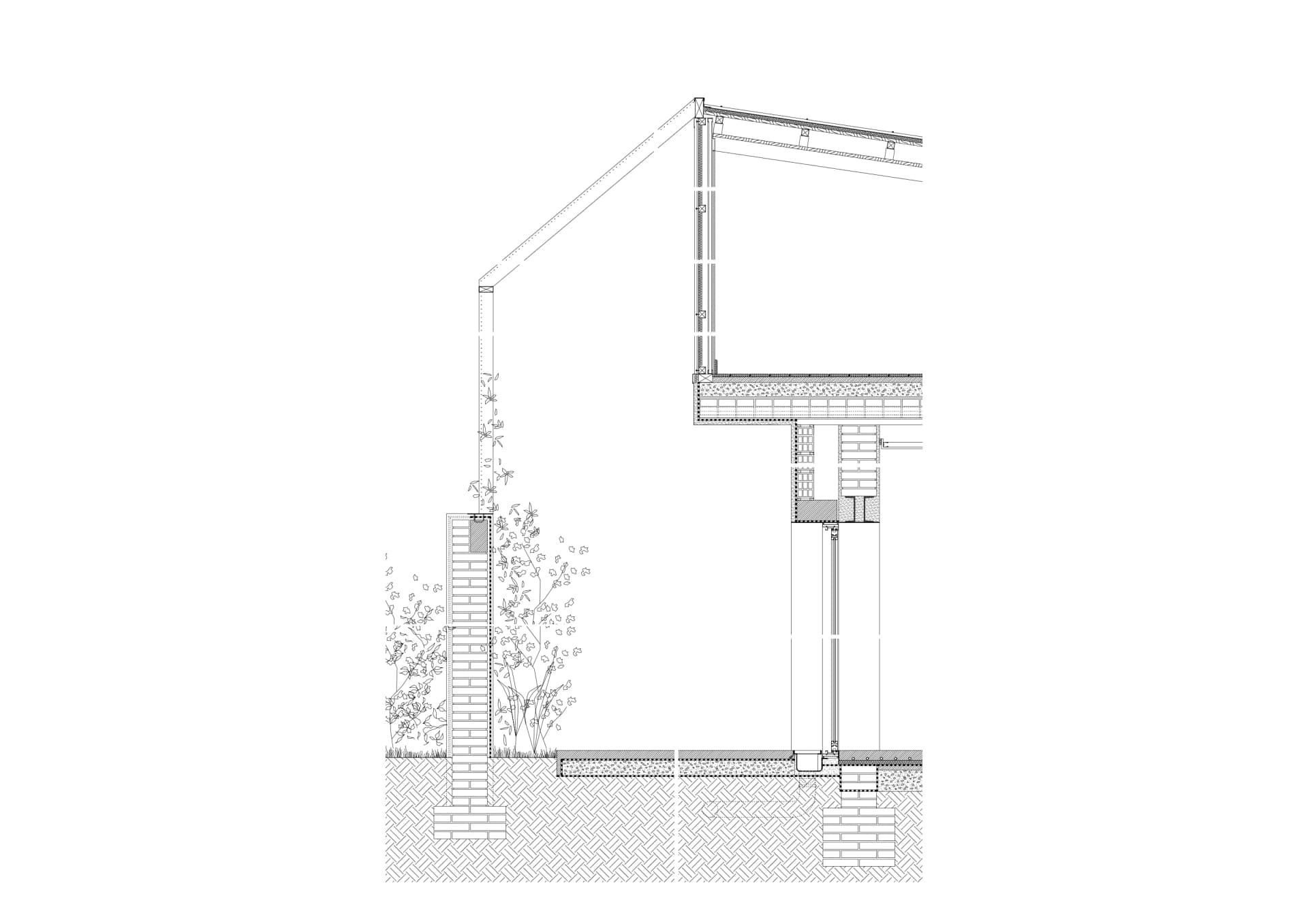
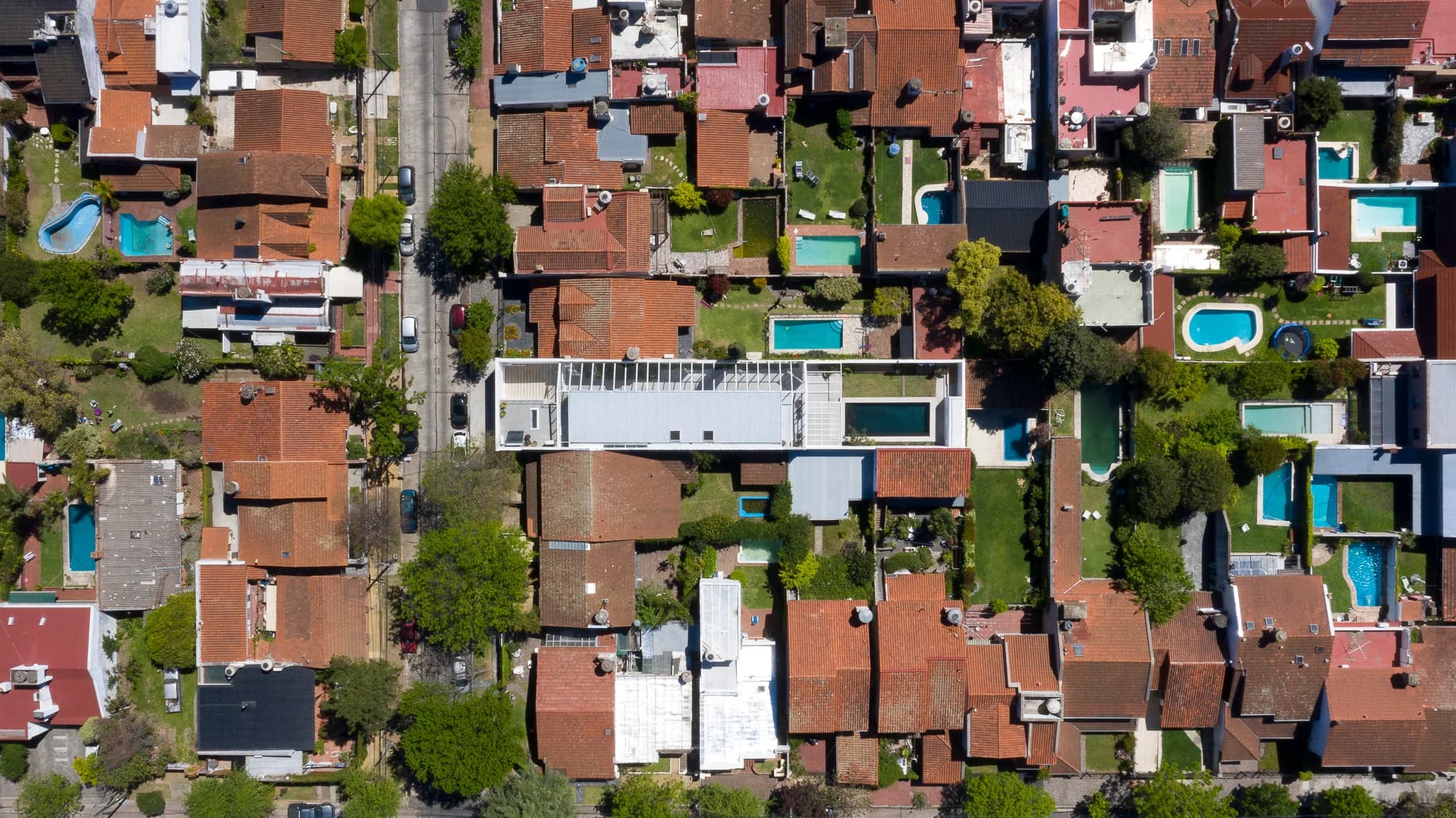
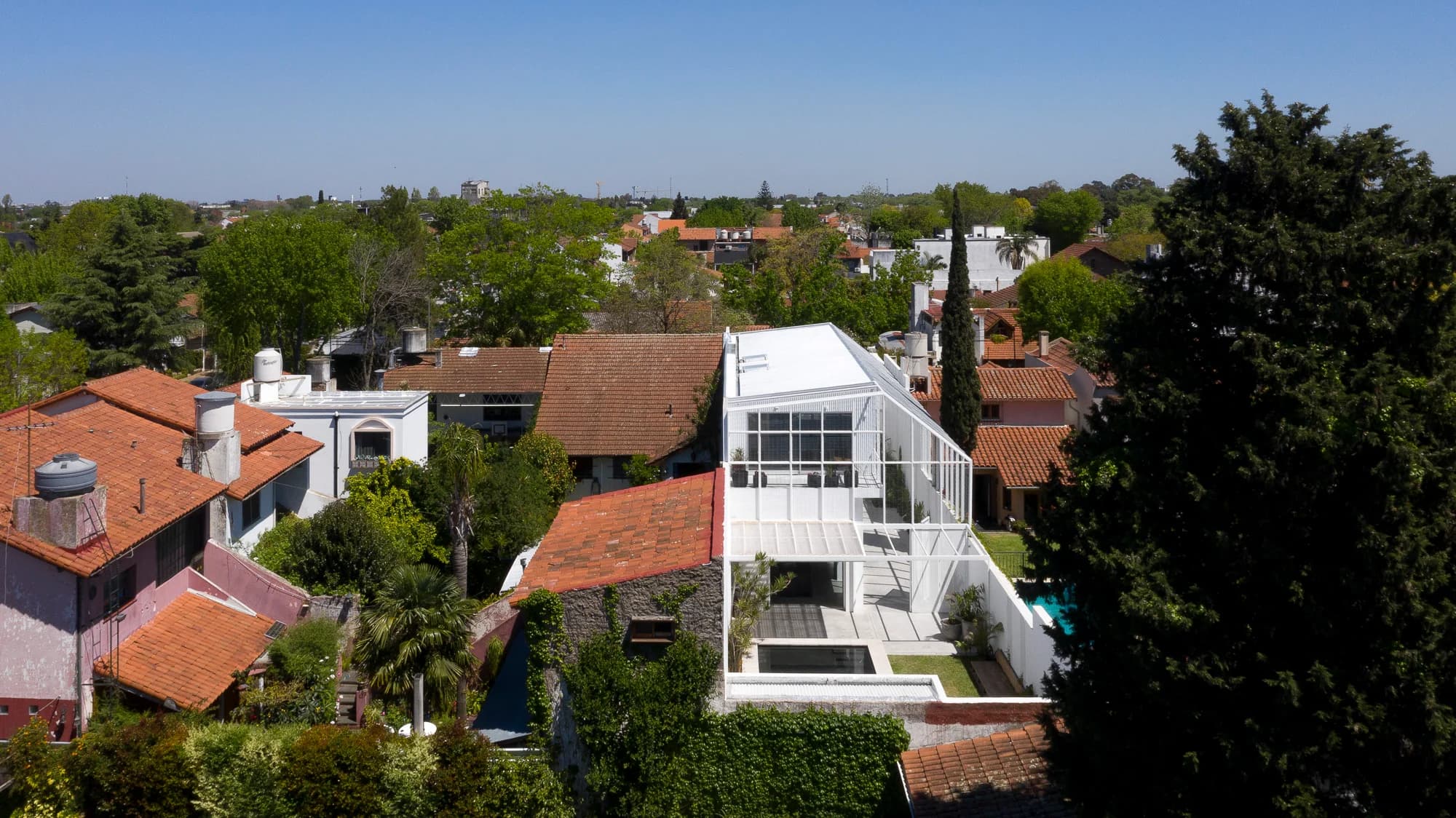
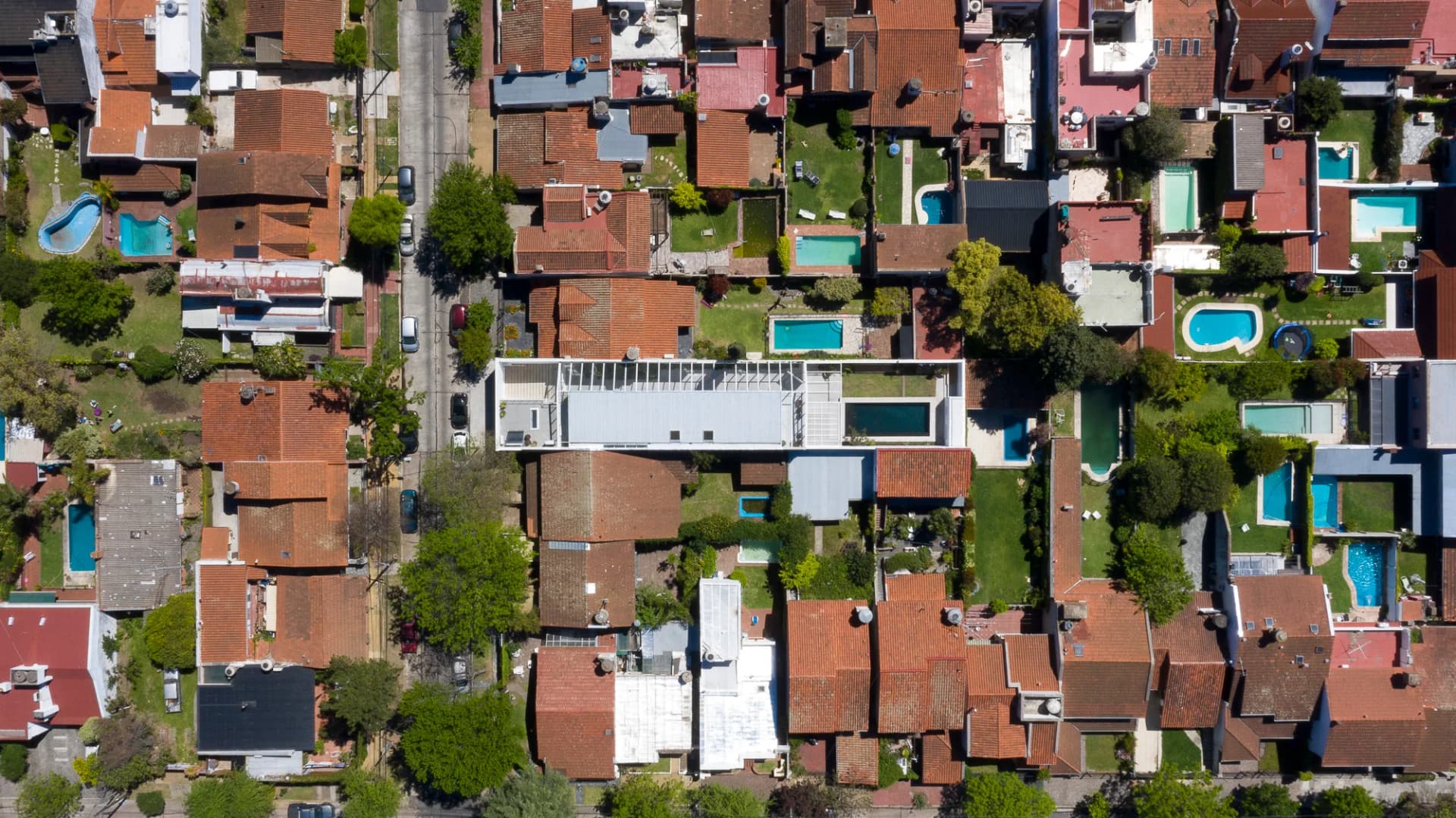
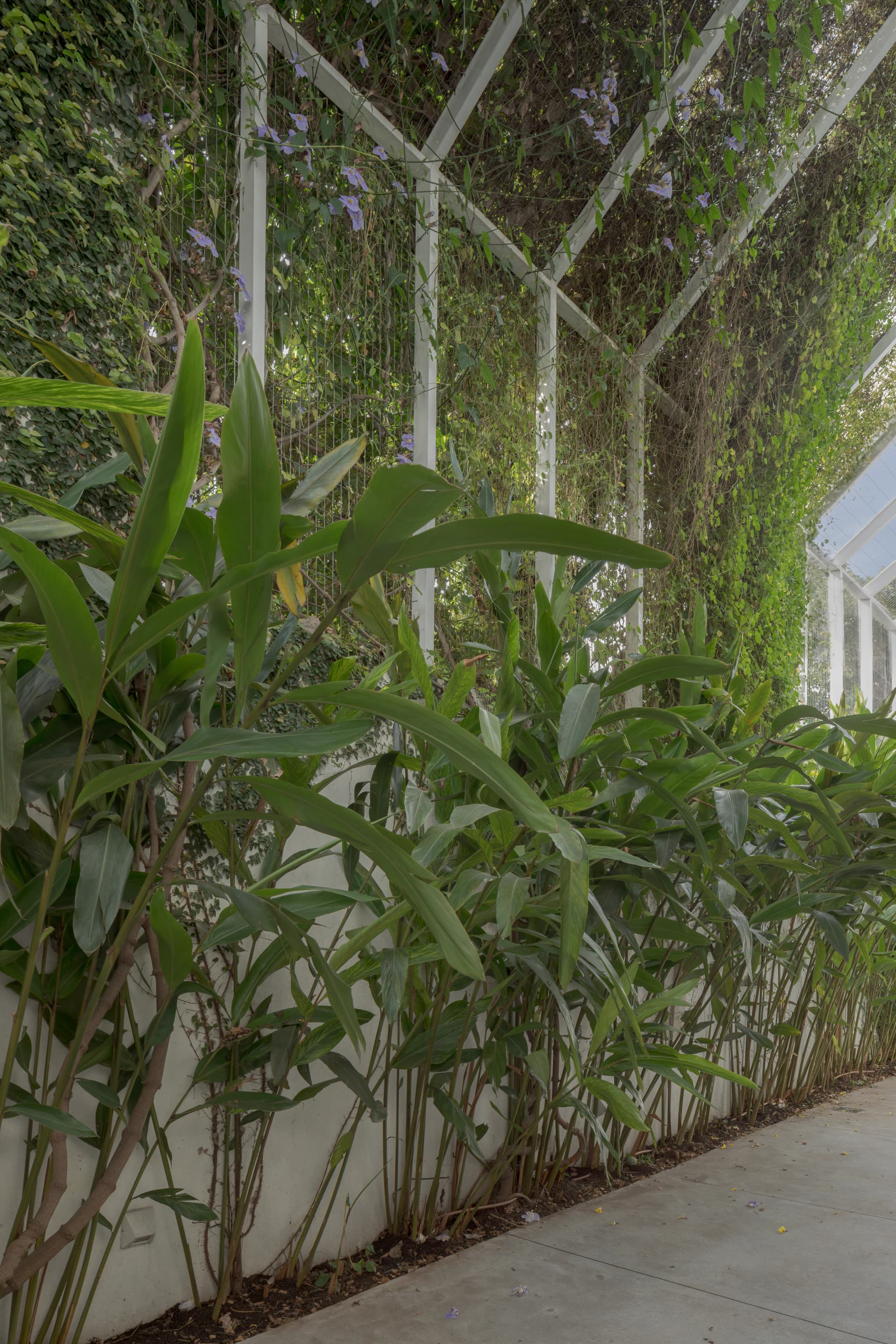
Este proyecto consiste en la refacción y ampliación de una “Casa Chorizo”, tradicional tipología de vivienda surgida en Buenos Aires a finales del siglo 19, representativa de la clase media urbana y las oleadas inmigratorias de la época. Esta tipología se caracteriza por una sucesión de habitaciones consecutivas a lo largo de un patio longitudinal que funciona como espacio unificador de la vivienda. La intervención propuesta hace foco en tres operaciones principales: la adaptación de la estructura existente de la planta baja para ubicar el área social, la construcción de un nuevo nivel sobre la antigua terraza para alojar el programa privado y la revalorización del patio lateral como un espacio protagónico, estructurado por una gran y liviana envolvente que ayuda a estabilizar el nivel superior. El patio ofrece una zona de transición entre el interior y el exterior, amortiguando las condiciones entre ambos. La generosa altura de este volumen enmarcado por una serie de regulares costillas, amplía la escala del espacio mientras provee una sensación de refugio y seguridad. Además de estructurar la ampliación de la planta superior, la envolvente da soporte a la incipiente invasión de la vegetación propia y vecina, permitiendo la creación de un nuevo paisaje que fomenta la libertad y la imaginación de diversos usos para sus ocupantes. La vegetación caducifolia permite una óptima exposición solar durante el invierno y ofrece sombras sobre el patio durante el verano, maximizando el uso de este espacio a lo largo de todo el año. A su vez, el jardín lineal que acompaña la medianera contribuye a reducir las altas temperaturas estivales mediante evaporación y a purificar el aire fresco para una sana ventilación de la vivienda. El piso de hormigón a la vista tanto en el área interior como exterior, sumado a los gruesos muros existentes de la fachada lateral, ofrecen el potencial de su masa térmica ayudando a su vez a regular las temperaturas de manera pasiva. Casa Martínez This project consists on the refurbishment and extension of a “Casa Chorizo”, a traditional housing typology that arose in Buenos Aires in the late 20th century, representative of the urban middle class and the immigration waves of the time. This typology is characterised by a succession of consecutive rooms along a longitudinal patio that functions as the unifying nucleus of the house. The intervention proposes three main operations: the adaptation of the existing structure of the ground floor to accommodate the social area, the construction of a new level on the old terrace to house the private program, and the revalorisation of the lateral courtyard as a protagonist space structured by a large lightweight enveloppe which helps stabilise the upper floor. The patio offers a transition zone between the inside and outside, buffering the conditions between both spaces. The generous height of this volume framed by a series of regular ribs, ensures a monumental scale of the space while providing a sense of shelter and safety. Besides structuring the expansion of the upper floor, this envelope supports the incipient invasion of its own and neighbouring vegetation, allowing for the creation of a new landscape which fosters the freedom and imagination of various uses for its occupants. The deciduous vegetation that climbs over the envelope allows for optimal sun exposure during winter and offers shadows on the patio during summer, maximising the use of this space throughout the year. At the same time, the linear garden adjacent to the party wall helps to reduce the high summer temperatures through evaporative cooling and to purify the fresh air for a healthy ventilation of the house. The exposed concrete floor both in the inside and outside areas, in addition to the thick preexisting walls of the lateral facade, offer the potential of thermal mass which further helps regulate the temperatures in a passive manner.
Arquitectos
Javier Bracamonte, Julia Hajnal, Gonzalo Yerba
Colaboradores
Matias Hajnal
Ubicación
Martínez. Buenos Aires. Argentina.
Fotografía
Javier Agustín Rojas.
Casa Martinez
2020Este proyecto consiste en la refacción y ampliación de una “Casa Chorizo”, tradicional tipología de vivienda surgida en Buenos Aires a finales del siglo 19, representativa de la clase media urbana y las oleadas inmigratorias de la época. Esta tipología se caracteriza por una sucesión de habitaciones consecutivas a lo largo de un patio longitudinal que funciona como espacio unificador de la vivienda. La intervención propuesta hace foco en tres operaciones principales: la adaptación de la estructura existente de la planta baja para ubicar el área social, la construcción de un nuevo nivel sobre la antigua terraza para alojar el programa privado y la revalorización del patio lateral como un espacio protagónico, estructurado por una gran y liviana envolvente que ayuda a estabilizar el nivel superior. El patio ofrece una zona de transición entre el interior y el exterior, amortiguando las condiciones entre ambos. La generosa altura de este volumen enmarcado por una serie de regulares costillas, amplía la escala del espacio mientras provee una sensación de refugio y seguridad. Además de estructurar la ampliación de la planta superior, la envolvente da soporte a la incipiente invasión de la vegetación propia y vecina, permitiendo la creación de un nuevo paisaje que fomenta la libertad y la imaginación de diversos usos para sus ocupantes. La vegetación caducifolia permite una óptima exposición solar durante el invierno y ofrece sombras sobre el patio durante el verano, maximizando el uso de este espacio a lo largo de todo el año. A su vez, el jardín lineal que acompaña la medianera contribuye a reducir las altas temperaturas estivales mediante evaporación y a purificar el aire fresco para una sana ventilación de la vivienda. El piso de hormigón a la vista tanto en el área interior como exterior, sumado a los gruesos muros existentes de la fachada lateral, ofrecen el potencial de su masa térmica ayudando a su vez a regular las temperaturas de manera pasiva. Casa Martínez This project consists on the refurbishment and extension of a “Casa Chorizo”, a traditional housing typology that arose in Buenos Aires in the late 20th century, representative of the urban middle class and the immigration waves of the time. This typology is characterised by a succession of consecutive rooms along a longitudinal patio that functions as the unifying nucleus of the house. The intervention proposes three main operations: the adaptation of the existing structure of the ground floor to accommodate the social area, the construction of a new level on the old terrace to house the private program, and the revalorisation of the lateral courtyard as a protagonist space structured by a large lightweight enveloppe which helps stabilise the upper floor. The patio offers a transition zone between the inside and outside, buffering the conditions between both spaces. The generous height of this volume framed by a series of regular ribs, ensures a monumental scale of the space while providing a sense of shelter and safety. Besides structuring the expansion of the upper floor, this envelope supports the incipient invasion of its own and neighbouring vegetation, allowing for the creation of a new landscape which fosters the freedom and imagination of various uses for its occupants. The deciduous vegetation that climbs over the envelope allows for optimal sun exposure during winter and offers shadows on the patio during summer, maximising the use of this space throughout the year. At the same time, the linear garden adjacent to the party wall helps to reduce the high summer temperatures through evaporative cooling and to purify the fresh air for a healthy ventilation of the house. The exposed concrete floor both in the inside and outside areas, in addition to the thick preexisting walls of the lateral facade, offer the potential of thermal mass which further helps regulate the temperatures in a passive manner.


Arquitectos
Javier Bracamonte, Julia Hajnal, Gonzalo Yerba
Colaboradores
Matias Hajnal
Ubicación
Martínez. Buenos Aires. Argentina.
Fotografía
Javier Agustín Rojas.